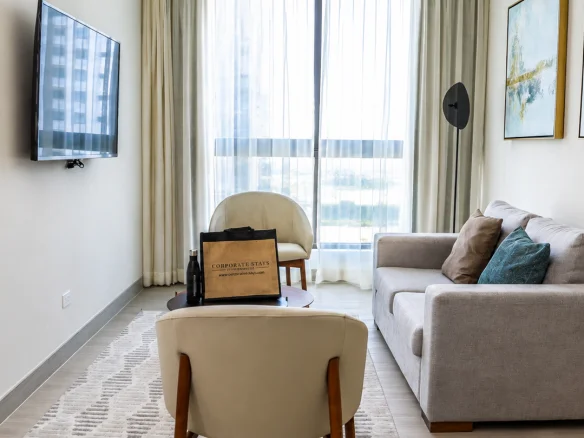
Direct answer: After buying a turnkey investment property, ownership documents are finalized, the property manager completes onboarding, utilities and operating accounts are confirmed, the unit is inspected and launched, and the owner begins receiving performance reports. The owner should then monitor income, expenses, reserves, maintenance, compliance, and progress against the original investment plan.
What Happens After Buying a Turnkey Investment Property?
A genuine turnkey investment should reduce setup work, but it should not leave the owner uninformed. The post-purchase process must convert a completed transaction into a controlled rental operation.
The sequence depends on the country, property, rental model, financing, and management agreement. A furnished apartment may require booking-channel setup, inventory control, guest support, and revenue management. A long-term rental may focus on lease transfer, deposits, collections, and inspections.
| Stage | Typical activity | Owner checkpoint |
|---|---|---|
| Closing and handover | Ownership, keys, records, warranties, inventory, and funds are reconciled | Confirm what transferred and retain final documents |
| Management onboarding | Owner profile, banking, approvals, insurance, contacts, and reporting access are established | Review fees, spending authority, and escalation rules |
| Operational launch | Inspection, inventory, pricing, marketing, reservations, or leasing begin | Approve the launch plan and opening budget |
| Stabilization | The operator tests demand, pricing, service, and cost assumptions | Compare actual results with the approved forecast |
| Ongoing ownership | Reporting, maintenance, reserves, compliance, and strategy reviews continue | Monitor trends and make major asset decisions |

The Post-Purchase Timeline for a Managed Investment
1. Confirm the Legal and Financial Handover
Start by building one complete closing file. It may include the registered deed or ownership certificate, settlement statement, purchase agreement, inspection report, insurance policy, warranties, condominium documents, tax records, financing documents, management agreement, inventory, and proof of transferred deposits or prepaid amounts.
For transferred leases, reservations, deposits, or service contracts, request a written reconciliation showing which income and costs belong to each party.
Closing-file checklist
- Recorded ownership and final closing statement
- Insurance, warranties, permits, and building rules
- Signed management agreement and fee schedule
- Furniture, appliance, linen, and equipment inventory
- Existing leases, reservations, deposits, and vendor commitments
- Tax, accounting, and banking records required by local advisers
2. Complete Property-Management Onboarding
Management onboarding should define how the property will run and how the owner will remain informed. Expect to provide identification, ownership records, tax and banking details, insurance information, emergency contacts, payment instructions, and any preferences permitted by the agreement.
The operator should confirm the owner portal or reporting method, payment schedule, maintenance-approval threshold, reserve requirement, emergency authority, and communication process. These controls matter because “fully managed” should not mean that major expenses or performance changes disappear from the owner’s view.
3. Verify the Unit Is Operationally Ready
A completed property is not automatically ready to host a paying occupant. The management team should verify physical condition, utilities, internet, access systems, safety equipment, appliances, furniture, linens, kitchen supplies, cleaning standards, and documented inventory.
Any gap should be classified before launch:
- Required: Necessary for safety, legality, habitability, or reliable operation
- Revenue-supporting: Likely to improve marketability, service, or rate positioning
- Optional: Aesthetic or owner-preference upgrades that may not improve net income
This distinction prevents an owner from approving attractive upgrades without understanding their expected financial role.
4. Approve the Launch and Revenue Plan
The operator should identify the intended guest or tenant, suitable stay length, distribution channels, opening rate, seasonal adjustments, minimum-stay rules, deposits, cancellation terms, and launch budget. For hospitality-style rentals, the plan may also include professional photography, listing copy, guest messaging, housekeeping, and after-hours support.
The goal is not simply to maximize occupancy. Discounting can fill nights while weakening revenue and accelerating wear. Review occupancy together with average daily rate (ADR), revenue per available night, operating costs, and net operating income.
Owner’s operating question
Is the property producing healthy net income, or only visible activity?
5. Fund a Working Reserve
Rental income and owner distributions rarely arrive in a perfectly even pattern. A reserve gives the manager funds for repairs, replacements, deductibles, utilities, association charges, and other approved costs without waiting for an emergency transfer.
The right amount depends on the property, rental strategy, insurance, building condition, financing, local costs, and management agreement. Agree on the target balance, who holds it, permitted uses, approval threshold, replenishment method, and reporting treatment. A reserve is not a return; it is a risk-control account.
6. Review the First Owner Statement Carefully
The first statement should establish the reporting standard for future months. It should separate collected revenue from projections and show fees, commissions, taxes, utilities, cleaning, maintenance, supplies, association charges, reserves, and owner distributions clearly.
Ask about unfamiliar entries and confirm the reporting basis so monthly comparisons remain consistent.
U.S. taxpayers can use IRS Publication 527 as a general reference for residential rental income, expenses, records, and depreciation. International owners should obtain advice from qualified professionals in both the property’s jurisdiction and their country of tax residence.
What Should Investors Monitor After Launch?
| Metric | What it reveals | Question to ask |
|---|---|---|
| Occupancy | Share of available nights or units occupied | Was demand strong, or was price reduced? |
| ADR | Average rental revenue per occupied night | How does the achieved rate compare with plan? |
| Revenue per available night | Combines rate and occupancy performance | Is revenue improving without unsustainable discounting? |
| Operating expenses | Cost of producing and protecting revenue | Which costs are recurring, variable, or unusual? |
| Net operating income | Income after recurring operating costs, before financing and income tax | Is the property meeting the approved base case? |
| Reserve balance | Capacity to absorb repairs and replacement needs | Is the reserve still appropriate for current risks? |
Do not judge the investment from one strong or weak month. Compare actual results with the base case over a meaningful period and account for seasonality, launch timing, cancellations, unusual repairs, and changes in available inventory.
A Practical First-90-Day Review
Assume a hypothetical investor closes on a furnished apartment intended for managed extended stays. The approved model estimates monthly revenue and operating costs, but no return is guaranteed.
Days 1–30
Confirm handover, inventory, accounts, insurance, opening reserve, listings, pricing, and reporting access.
Days 31–60
Review booking pace or leasing activity, achieved rates, guest feedback, maintenance issues, and initial costs.
Days 61–90
Compare actual revenue and expenses with the forecast, identify recurring variances, and approve justified adjustments.
If revenue is below plan, the correct response is not automatically to reduce rates. The operator should identify the cause: weak demand, poor visibility, unsuitable stay rules, pricing, listing quality, service problems, new competition, or a forecast that was too optimistic. Each cause requires a different action.
Common Post-Purchase Mistakes
- Assuming “turnkey” guarantees immediate income. Readiness can shorten the path to market, but it cannot guarantee bookings, occupancy, cash flow, or appreciation.
- Failing to reconcile transferred obligations. Existing deposits, reservations, leases, and vendor contracts must be documented.
- Treating gross revenue as profit. Evaluate income after management, channels, utilities, maintenance, taxes, insurance, association charges, and reserves.
- Withdrawing every available dollar. Underfunded reserves can turn an ordinary repair into an urgent capital call.
- Ignoring reports until income falls. Monthly review helps reveal pricing, cost, and maintenance problems earlier.
- Forgetting the exit. Preserve records, condition, compliance, and operating history that a future buyer may examine.
Important: Property management reduces operational work; it does not eliminate investment responsibility.
Owners remain exposed to market, property, regulatory, tax, currency, financing, operator, and resale risks. Legal and tax treatment varies by jurisdiction and investor. Obtain independent professional advice.
How CS Realty Supports the Ownership Stage
CS Realty positions turnkey ownership as more than a completed sale. Its model connects selected furnished properties with Corporate Stays’ hospitality operations, including property setup, guest coordination, maintenance, performance reporting, and revenue-focused management.
Investors can first review what a turnkey investment property should include, then explore how hospitality property management can influence returns. Available opportunities and CS Realty’s managed-investment approach are presented on the CS Realty investment platform.
The exact onboarding timeline, services, costs, and revenue expectations should always be confirmed for the selected property and documented in the applicable agreements.
Conclusion: Ownership Begins at Closing
After buying a turnkey investment property, the most important shift is from acquisition assumptions to operating evidence. A disciplined owner confirms the handover, establishes management controls, funds reserves, reviews the launch, and compares actual net performance with the original plan.
The property may be professionally managed, but the owner still decides what success looks like, which risks are acceptable, when major spending is justified, and whether to hold, improve, refinance, or sell.
Ready to Understand the Full Investment Process?
Discuss available properties, operating assumptions, management, and what ownership could look like after closing.
Frequently Asked Questions
Does a turnkey property earn income immediately after closing?
Not necessarily. A property may be ready to operate, already occupied, or already have future reservations, but income still depends on transferred agreements, demand, launch timing, occupancy, rates, collections, and costs. Confirm the exact status before purchase.
What documents should I receive after buying a turnkey investment property?
The file may include ownership and closing records, the management agreement, insurance, warranties, tax and financing records, building documents, inventory, inspection reports, and any transferred leases, deposits, reservations, or vendor contracts. Requirements vary by jurisdiction.
What does a property manager handle after closing?
Depending on the agreement, management may cover setup, marketing, pricing, bookings or leasing, collections, occupant support, cleaning, inspections, maintenance, vendor coordination, and reporting. Review what is included, excluded, or charged separately.
How often should I review performance?
Review owner statements monthly and conduct a deeper quarterly assessment of revenue, costs, maintenance, reserves, and forecast variance. The schedule may differ for a newly launched property or when performance changes materially.
Is a managed turnkey property completely passive?
No direct property investment is entirely passive. Management can remove most daily work, but the owner should still monitor reports, maintain reserves, approve major decisions, meet legal and tax obligations, and plan the eventual exit.